PDF resources aid textual analysis of Julia Alvarez’s novel, alongside WebQuests exploring related historical contexts and the Mirabal sisters’ story․
The Historical Context of the Trujillo Regime
PDF documents detailing the Dominican Republic under Rafael Trujillo’s dictatorship (1930-1961) are crucial for understanding the novel’s backdrop․ These resources illuminate the pervasive political oppression, state-sponsored violence, and systematic suppression of dissent that characterized the era․
The regime’s brutality, as documented in various historical PDFs, created an atmosphere of fear where even whispers of opposition could lead to imprisonment or death․ Understanding Trujillo’s control – over every facet of Dominican life – is essential to appreciating the courage of the Mirabal sisters․
Further PDF research reveals the economic disparities and social inequalities exacerbated by Trujillo’s rule, contributing to the growing unrest that ultimately led to his assassination and the sisters’ pivotal role in the resistance movement․
The Mirabal Sisters: A Symbol of Resistance
PDF analyses of “In the Time of the Butterflies” consistently highlight the Mirabal sisters – Patria, Minerva, and María Teresa – as enduring symbols of resistance against tyranny․ Their story, often presented in accessible PDF study guides, transcends national boundaries, representing universal struggles for freedom and justice․
These PDF resources detail how the sisters’ activism, initially focused on peaceful opposition, evolved into more direct involvement with the underground movement against Trujillo․ Their eventual assassination, documented in historical PDFs, sparked outrage and galvanized opposition, contributing to the regime’s downfall․
The sisters’ legacy, readily available through online PDF collections, continues to inspire movements for human rights and democratic ideals, solidifying their place as iconic figures of courage and defiance․

The Novel’s Narrative Structure and Key Characters
PDF character analyses illuminate Alvarez’s multi-perspective narrative, focusing on the Mirabal sisters and Dede, offering insights into their complex roles․
Julia Alvarez’s Narrative Style: Multiple Perspectives
PDF study guides frequently dissect Alvarez’s innovative narrative approach, emphasizing the shifting perspectives that construct the story of the Mirabal sisters and the Trujillo regime․ These resources highlight how the novel isn’t told chronologically, but rather through fragmented memories and recollections of Dede, Minerva, Patria, and Mate․
The use of multiple narrators allows Alvarez to present a multifaceted understanding of the political oppression and personal sacrifices․ PDF analyses often demonstrate how this technique builds suspense and emotional resonance, revealing the complexities of each sister’s experience․ Students utilizing PDF materials can trace how Alvarez masterfully weaves together these voices to create a powerful and haunting portrayal of Dominican history․
Minerva Mirabal: The Revolutionary
PDF character analyses consistently portray Minerva as the most overtly rebellious of the Mirabal sisters, driven by a strong sense of justice and a desire for political change․ These resources detail her early experiences with injustice, fueling her involvement with the underground movement against Trujillo․
PDF study guides often explore Minerva’s intellectual curiosity and her determination to pursue an education, despite societal limitations․ They highlight her passionate nature and willingness to risk everything for her beliefs․ Examining Minerva through PDF materials reveals a complex character grappling with love, duty, and the moral implications of revolution, ultimately solidifying her role as a central symbol of resistance․
Mate Mirabal: The Pragmatic Sister
PDF character studies frequently depict Mate as the most grounded and practical of the Mirabal sisters, initially hesitant to embrace the revolutionary fervor sweeping the Dominican Republic․ These resources emphasize her focus on family and domestic life, contrasting with Minerva’s more overt activism․
PDF analyses reveal Mate’s gradual awakening to the brutality of the Trujillo regime and her eventual, though reluctant, participation in the resistance․ They highlight her internal conflict between protecting her children and supporting her sisters’ cause․ Utilizing PDF guides demonstrates Mate’s strength lies not in fiery rebellion, but in quiet resilience and unwavering loyalty, making her a crucial, if often overlooked, figure․
Patria Mirabal: The Religious Sister
PDF analyses of “In the Time of the Butterflies” consistently portray Patria as deeply devoted to her faith, initially finding solace and guidance within the Church․ These resources demonstrate how her religious beliefs shape her worldview and influence her early reluctance to engage in political opposition․
However, PDF character breakdowns reveal a pivotal moment – a failed assassination attempt on her son – that shatters Patria’s faith and ignites her commitment to the resistance․ PDF study guides highlight her transformation from a passive believer to a fervent revolutionary, driven by a newfound sense of justice and a desire to protect her family․ Her journey, detailed in PDF format, exemplifies the power of personal tragedy to fuel political awakening․
Dede Mirabal: The Survivor
PDF resources dedicated to “In the Time of the Butterflies” frequently analyze Dede’s role as the sole surviving Mirabal sister․ These documents showcase her internal conflict – the guilt of remaining safe while her sisters fought and perished․ PDF character studies emphasize her pragmatic nature and initial reluctance to join the resistance, prioritizing her family’s immediate well-being․
PDF analyses reveal how Dede’s relationship with Lio, explored in detail within these documents, is complex and marked by both affection and regret․ PDF guides highlight her eventual acceptance of her sisters’ legacy and her commitment to preserving their memory, becoming a vital link to their story․ Her survival, as detailed in PDF format, isn’t portrayed as cowardice, but as a different form of courage․

Themes Explored in “In the Time of the Butterflies”
PDF study guides dissect themes like political oppression, sisterhood, and sacrifice, offering detailed analyses of Alvarez’s exploration of Dominican history․
Political Oppression and Dictatorship
PDF resources examining “In the Time of the Butterflies” frequently highlight the brutal Trujillo regime as central to the narrative․ These documents often detail the dictator’s pervasive control, suppression of dissent, and the climate of fear that gripped the Dominican Republic․
Analysis within these PDFs reveals how Alvarez portrays the psychological toll of living under constant surveillance and the arbitrary exercise of power․ Students utilizing these materials can explore the sisters’ evolving resistance, from initial quiet disapproval to active participation in the underground movement․
Furthermore, PDF study guides often connect the novel’s depiction of oppression to broader historical contexts of Latin American dictatorships, fostering a deeper understanding of the political landscape․
Sisterhood and Female Solidarity
PDF study guides dedicated to “In the Time of the Butterflies” consistently emphasize the powerful bond between the Mirabal sisters as a core theme․ These resources analyze how Alvarez portrays their evolving relationships, showcasing their shared experiences under oppression and their mutual support․
PDF analyses often dissect the sisters’ differing personalities – Minerva’s fiery spirit, Patria’s faith, and Mate’s practicality – and how these differences ultimately strengthen their collective resistance․ They highlight how female solidarity becomes a vital survival mechanism․
Furthermore, PDF materials explore how the sisters’ connections extend beyond their immediate family, forming a network of female allies who challenge the patriarchal structures of Dominican society․
Courage and Sacrifice
PDF character analyses within study guides for “In the Time of the Butterflies” consistently pinpoint the Mirabal sisters’ bravery as central to the narrative․ These resources detail their escalating acts of defiance against the Trujillo regime, moving from quiet dissent to active participation in the resistance․
PDF documents often explore the profound sacrifices each sister makes – personal freedoms, familial stability, and ultimately, their lives․ They examine the motivations behind these choices, highlighting their commitment to a better future for the Dominican Republic․
Moreover, PDF materials dissect the novel’s portrayal of courage not as a lack of fear, but as acting despite fear, emphasizing the sisters’ vulnerability and the immense risks they undertook․
Memory and Historical Truth
PDF study guides dedicated to “In the Time of the Butterflies” frequently emphasize the novel’s exploration of collective and individual memory․ They analyze how Alvarez reconstructs historical events through multiple perspectives, challenging official narratives of the Trujillo dictatorship․
These PDF resources highlight the importance of remembering the silenced voices of the oppressed, particularly the Mirabal sisters, and how their story became a symbol of resistance․ They delve into the complexities of recalling the past, acknowledging the distortions and gaps in memory․
Furthermore, PDF analyses often discuss Alvarez’s commitment to historical accuracy, while also recognizing the novel’s fictionalized elements and its role in shaping public understanding of this period․
Symbolism and Imagery in the Novel
PDF thematic breakdowns dissect nature imagery within the novel, revealing its significance alongside the central butterfly motif and color symbolism․
The Butterfly as a Symbol of Transformation and Freedom
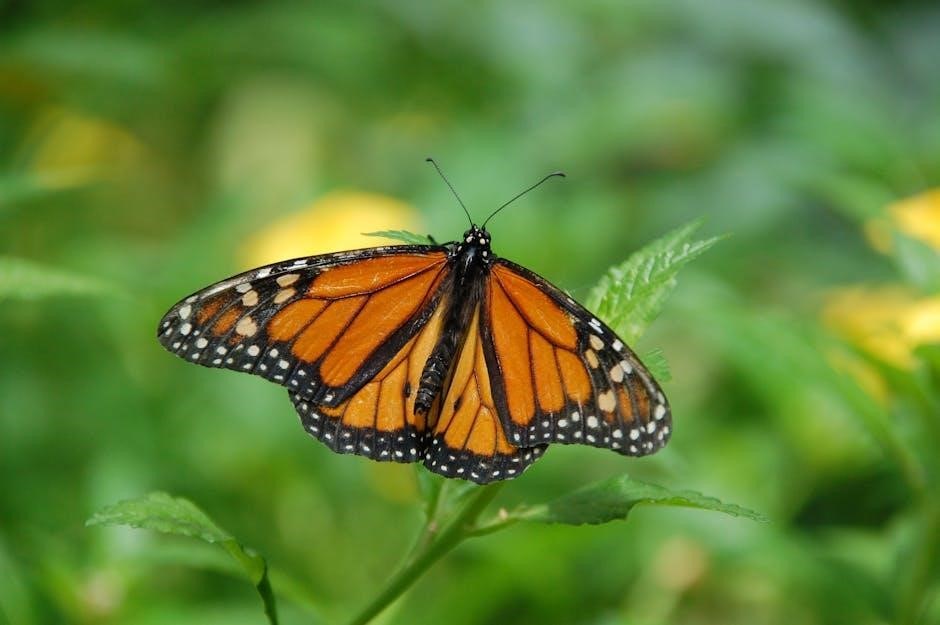
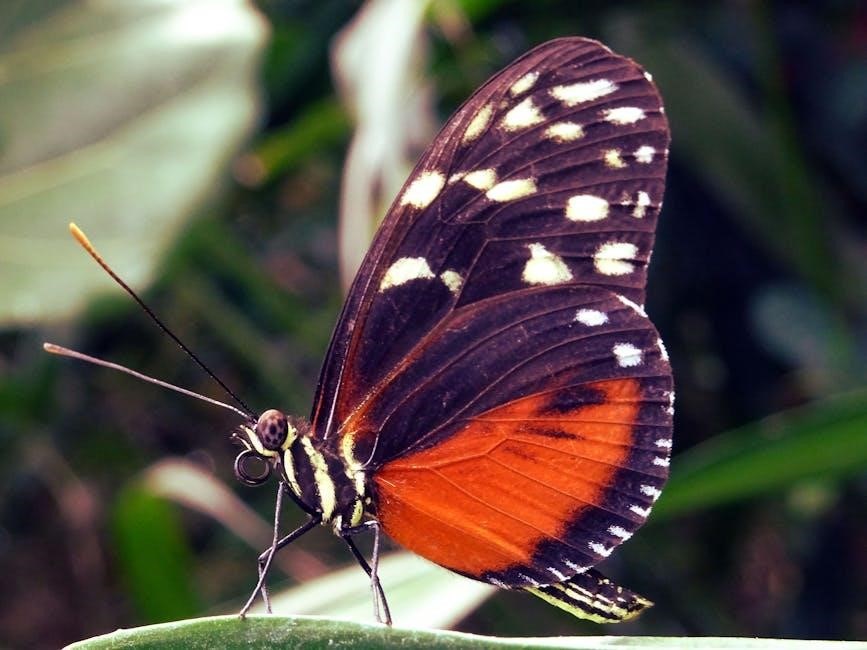
PDF study guides frequently highlight the butterfly’s potent symbolism in Alvarez’s work, representing the Mirabal sisters’ evolving resistance and ultimate liberation․ Initially a code name – “Las Mariposas” – bestowed by the movement, the butterfly transcends simple identification․
It embodies the metamorphic journey from constrained lives to courageous activists․ The imagery evokes fragility yet resilience, mirroring the sisters’ vulnerability and strength․ Analyzing the novel through PDF resources reveals how Alvarez masterfully connects the butterfly’s life cycle – from caterpillar to chrysalis to winged creature – with the sisters’ personal and political transformations․
This symbol ultimately signifies a yearning for freedom from oppression and a lasting legacy of hope, powerfully reinforced through textual analysis available in digital formats․
Nature Imagery and its Significance
PDF analyses of “In the Time of the Butterflies” consistently emphasize Alvarez’s rich use of nature imagery, particularly relating to the Dominican landscape․ This isn’t merely descriptive; it’s deeply interwoven with the narrative’s themes of oppression and resilience․
Resources, often available as PDF downloads, demonstrate how the natural world mirrors the characters’ internal states and the political climate․ Lush, vibrant descriptions contrast sharply with the brutality of the Trujillo regime, highlighting the loss of innocence and freedom․
Furthermore, examining passages through PDF-based thematic breakdowns reveals how nature symbolizes both beauty and danger, reflecting the precarious existence under dictatorship․ The tropical and subtropical dry broadleaf forests contextually enhance this symbolism․
The Use of Color and Light
PDF guides dedicated to analyzing “In the Time of the Butterflies” frequently dissect Alvarez’s masterful employment of color and light as symbolic devices․ These resources reveal how shifts in illumination and chromatic palettes reflect the evolving emotional and political landscape․
PDF textual analyses demonstrate that darkness often represents fear, secrecy, and the oppressive atmosphere of the Trujillo regime, while bursts of light symbolize hope, resistance, and moments of clarity․ The strategic use of color – particularly white, associated with purity and the Mirabal sisters – is also highlighted․
Locating descriptive passages via PDF search functions allows for detailed examination of how Alvarez uses these elements to foreshadow events and deepen character understanding, enriching the novel’s overall impact․
Analyzing Character Relationships
PDF study guides offer insights into complex dynamics, like Dede and Lio’s relationship, aiding comprehension of motivations and post-event reflections․
Dede and Lio: A Complex Relationship
PDF resources examining “In the Time of the Butterflies” frequently highlight Dede’s relationship with Lio as pivotal․ Analysis reveals Dede’s initial attraction and subsequent hesitations, explored through her retrospective memories․ These documents often prompt questions about her motivations – why she ultimately chose stability over passionate love․
Students utilizing PDF study guides can dissect how Dede describes Lio, noting the nuances in her recollections years after the tragic events․ The materials encourage critical thinking regarding her lingering feelings and the impact of societal expectations on her choices․ Furthermore, they facilitate understanding of Lio’s character and his role in Dede’s internal conflict․
The PDF materials often emphasize the contrast between Dede’s pragmatic nature and Lio’s more free-spirited personality, contributing to the complexity of their bond․
The Sisters’ Relationships with Their Husbands
PDF study guides for “In the Time of the Butterflies” consistently analyze the varied dynamics between the Mirabal sisters and their husbands․ These resources detail how each marriage reflects differing levels of political involvement and personal freedom․ They prompt students to consider the societal pressures influencing these relationships within the Trujillo regime․
PDF documents often present comparative analyses, contrasting Jaimo’s traditional expectations with Virgilio’s quiet support, and contrasting both with the passionate, yet dangerous, involvement of Raul and Manolo․ These materials facilitate a deeper understanding of how each husband’s character shaped the sisters’ experiences․
Utilizing these PDF resources, students can explore how the husbands’ actions – or inactions – contributed to the sisters’ eventual fates and the overall narrative of resistance․
Critical Reception and Literary Significance
PDF analyses highlight the novel’s impact on Dominican literature and its frequent inclusion in educational curricula, fostering discussions about history and courage․
The Novel’s Impact on Dominican Literature
PDF versions of critical essays demonstrate how “In the Time of the Butterflies” significantly broadened the scope of Dominican literary representation․ Before Alvarez’s work, narratives often centered on male figures or romanticized depictions of the island․ This novel, accessible through digital formats like PDFs, provided a crucial female perspective on the Trujillo dictatorship and its aftermath․
The book’s success spurred further exploration of previously silenced voices within Dominican literature․ It encouraged writers to confront the nation’s complex history and examine the roles of women in political resistance․ PDF study guides and academic papers now routinely feature the novel as a cornerstone of Dominican literary analysis, influencing subsequent generations of authors and scholars․ Its impact extends beyond the island, fostering international recognition of Dominican storytelling․
“In the Time of the Butterflies” in Educational Settings
PDF copies of the novel and accompanying study materials are widely utilized in secondary and post-secondary educational settings․ These digital resources facilitate close reading and textual analysis, allowing students to engage with Alvarez’s narrative structure and historical context․ Teachers often employ PDF-based worksheets and discussion questions to explore themes of political oppression, sisterhood, and courage․
The accessibility of PDF versions promotes equitable access to the text, particularly in schools with limited library resources․ Furthermore, digital formats enable interactive learning experiences, such as annotation and collaborative analysis․ Utilizing PDFs alongside online research materials – also often available as PDFs – allows students to delve deeper into the historical realities of the Trujillo regime and its lasting impact on Dominican society․
Resources for Further Study
PDF resources, including textual analyses and study guides, complement “In the Time of the Butterflies,” enhancing comprehension and research capabilities․
WebQuests and Online Research Materials
Numerous online resources support deeper engagement with “In the Time of the Butterflies․” Students can utilize WebQuests designed to investigate aspects of the Trujillo regime, Dominican Republic history, and the lives of the Mirabal sisters․ PDF documents offer focused study aids, providing character analyses, thematic explorations, and historical context․ These materials often include primary source excerpts and critical essays․
Furthermore, accessing PDF versions of related texts, like John Steinbeck’s “East of Eden” (for comparative character study), can enrich understanding․ Online databases and academic journals provide scholarly articles examining Alvarez’s narrative techniques and the novel’s lasting impact․ These resources collectively foster a comprehensive learning experience beyond the core text․
PDF Resources for Textual Analysis
PDF documents are invaluable for in-depth analysis of “In the Time of the Butterflies․” They frequently contain chapter-by-chapter summaries, detailed character profiles, and explorations of key themes like political oppression and sisterhood․ Students can locate PDFs offering thematic breakdowns of nature imagery and symbolism, crucial for understanding Alvarez’s stylistic choices․
Specifically, PDFs can quickly pinpoint descriptive passages for analyzing settings and character development․ Accessing these resources streamlines research, allowing focused examination of the novel’s narrative structure and historical accuracy․ Furthermore, comparative PDFs, such as those relating to “East of Eden,” facilitate insightful literary comparisons and broaden analytical perspectives․
Exploring Butterfly Fauna in Related Regions (Kyrgyzstan)
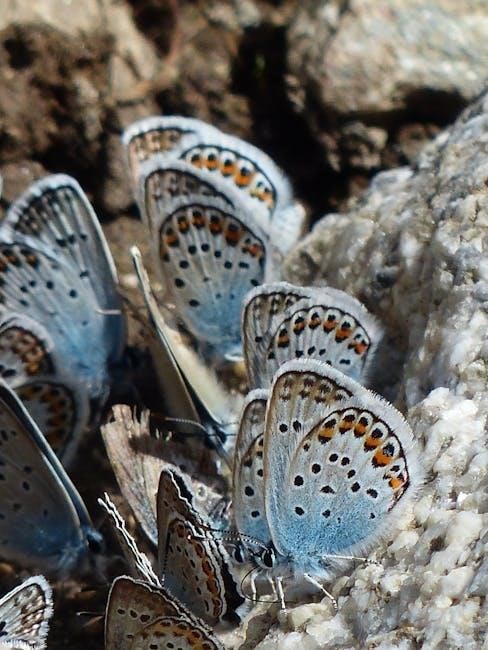
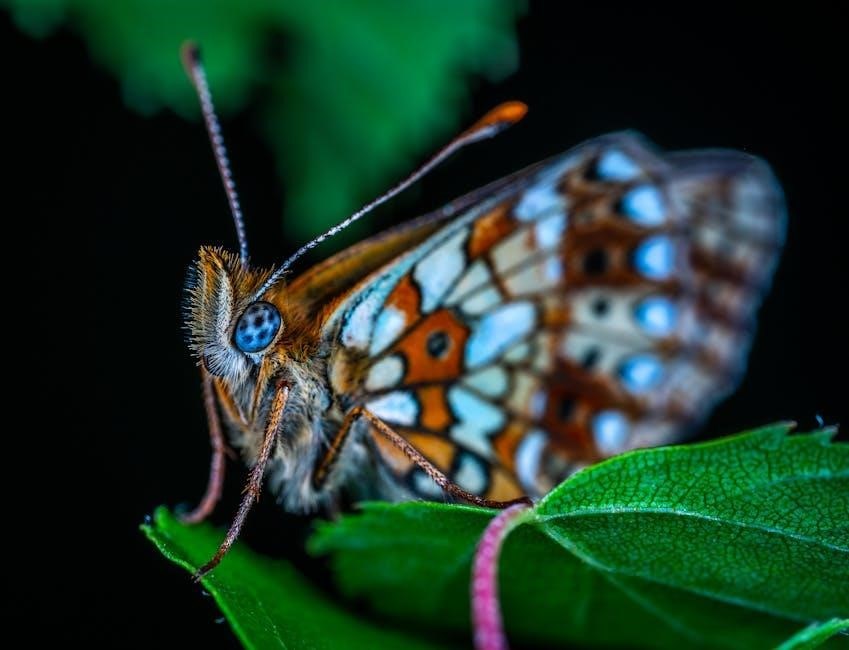
While seemingly distant, exploring butterfly fauna in regions like Kyrgyzstan – detailed in available PDF research papers – offers a unique contextual lens․ Studies document butterfly species inhabiting mountainous badlands like Naryn Adyr, Red Canyon, and Kyrk-Kechik, mirroring the Dominican Republic’s diverse ecosystems․
These PDF reports analyze characteristics of these butterfly populations, providing insights into adaptation and survival․ Connecting this ecological research to Alvarez’s symbolic use of butterflies enriches understanding․ It highlights the fragility of life and the power of transformation, themes central to the novel․ Examining these PDFs fosters interdisciplinary thinking, linking literature to biological studies․

Connecting the Novel to Broader Themes
PDF resources, like those analyzing East of Eden, aid thematic exploration; nature imagery PDF breakdowns reveal symbolic resonance within Alvarez’s narrative․
Teenage Discourse and Character Development
Analyzing teenage discourse within “In the Time of the Butterflies” benefits from focused textual study, often facilitated by PDF documents․ These resources allow for close examination of dialogue and internal monologues, revealing how Alvarez portrays the evolving perspectives of Minerva, Patria, and Mate․
The provided information highlights a comparative study utilizing PDF versions of both Alvarez’s work and Steinbeck’s “East of Eden” to dissect character development․ This approach enables students to identify patterns in teenage expression, rebellion, and the formation of identity under oppressive circumstances․

PDF access to descriptive passages aids in understanding the nuances of each sister’s voice, contributing to a deeper comprehension of their individual journeys and collective resistance;
The Role of Tropical and Subtropical Dry Broadleaf Forests (Contextual Relevance)
Understanding the Dominican Republic’s environment—specifically its tropical and subtropical dry broadleaf forests—provides crucial context for “In the Time of the Butterflies․” Resources like the World Wildlife Fund’s website (linked via a PDF summary from the Wildlife Institute of India) detail these ecosystems․
While seemingly distant from the novel’s core narrative, recognizing the landscape informs the sisters’ lives and the political climate․ The forests represent both a source of sustenance and a potential hiding place, mirroring the duality of freedom and danger․
Accessing ecological information, potentially through downloadable PDF reports, enriches the reading experience, grounding the story in its physical reality and highlighting the stakes of Trujillo’s regime’s control over the land․