Overview of Florida’s Tree Diversity
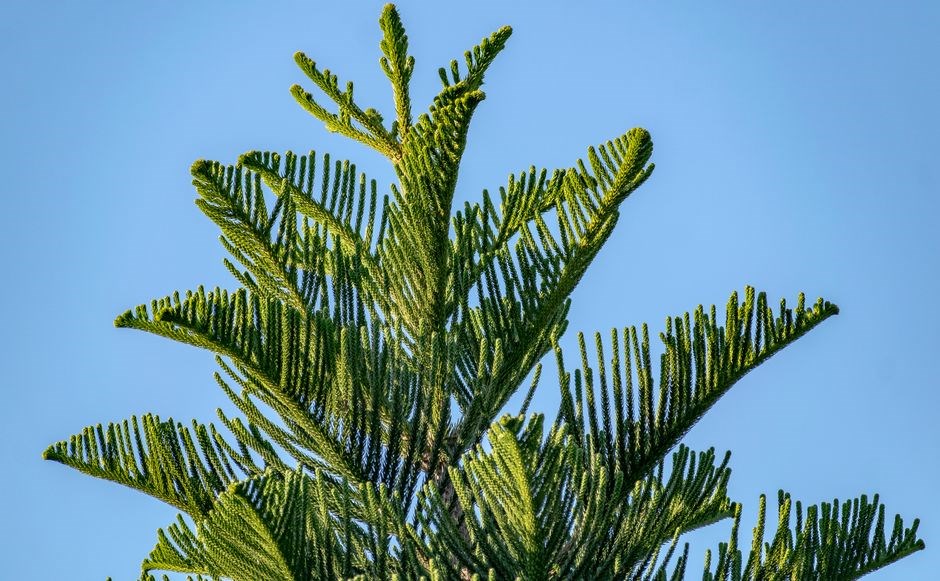
Florida hosts nearly 500 tree species, from towering oaks to mangrove swamps. Identification relies on leaf shape, bark texture, and seasonal fruit. Guides like Tree of Florida provide illustrations, while apps such as PlantSnap aid beginners. for all ages.!
Geographic Influence on Species Distribution
Florida’s tree distribution is a mosaic shaped by climate, soil, and topography. The humid subtropical belt in the north supports hardwoods such as live oaks (Quercus virginiana) and sweetgum (Liquidambar styraciflua), while the pine flatwoods of central Florida favor longleaf pine (Pinus palustris) and slash pine (Pinus elliottii). In the peninsula’s southern tip, the tropical climate allows palm species like sabal (Sabal palmetto) and the iconic royal palm (Roystonea regia) to thrive. Coastal dunes and barrier islands host hardy species such as sea oats (Uniola paniculata) and beach grass, which stabilize shorelines. The Everglades’ vast wetlands are dominated by sawgrass (Cladium jamaicense) and a diverse array of mangrove species (Avicennia, Rhizophora, and Laguncularia). Elevation changes also influence species; higher ridges in the Florida Ridge area support oak savannas, while lower floodplains favor cypress (Taxodium distichum) and black gum (Nyssa sylvatica). Soil pH and drainage dictate microhabitats: acidic, well‑drained sands favor pines, whereas clay‑rich, water‑logged soils support swamp tupelo (Nyssa biflora) and willow (Salix spp.). Human activity, such as urban development and historic citrus groves, has introduced non‑native species, altering natural patterns. Understanding these geographic cues is essential for accurate identification and conservation planning.
Additionally, mapping soil moisture gradients reveals distinct tree assemblages: drier uplands favor longleaf pine, while saturated depressions support cypress and black gum. Botanists surveys!
Major Ecological Zones and Tree Assemblages
Florida’s ecological tapestry is divided into distinct zones, each hosting characteristic tree communities that guide field identification. The northern pine flatwoods, dominated by longleaf pine (Pinus palustris) and slash pine (Pinus elliottii), are interspersed with oak savannas where live oak (Quercus virginiana) and post oak (Quercus stellata) form open canopies. In the central “Dune‑to‑Swamp” belt, sandy dunes shelter sea oats (Uniola paniculata) and beach grass (Ammophila breviligulata), while adjacent pine barrens host scrub oak (Quercus ilicifolia) and saw palmetto (Serenoa repens). The southern “Everglades” zone is a wetland mosaic of sawgrass (Cladium jamaicense), black gum (Nyssa sylvatica), and swamp tupelo (Nyssa biflora), with emergent mangroves (Avicennia spp.) and red mangrove (Rhizophora mangle) forming a protective fringe along the coast. Coastal barrier islands feature salt‑tolerant species such as salt cedar (Tamarix spp.) and beach plum (Prunus maritima). Urban fringe zones often contain a mix of native hardwoods and introduced ornamental palms, complicating identification but offering clues about human influence. Recognizing these assemblages—pine‑oak savannas, dune grasses, Everglades wetlands, and coastal salt marshes—provides a framework for locating and identifying Florida’s diverse tree species—a guide.OK
Essential Identification Techniques
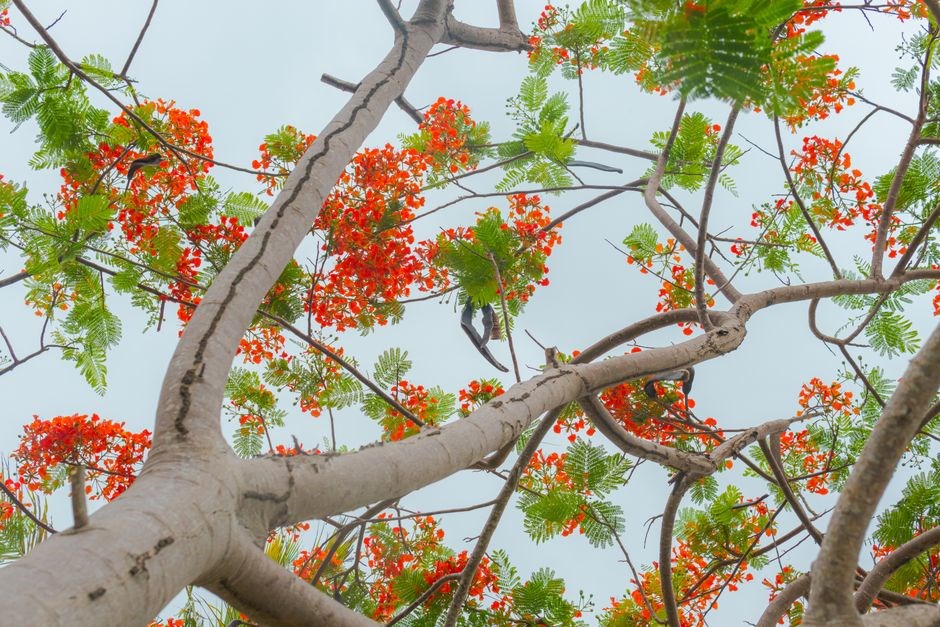
Use leaf shape, bark texture, and seasonal fruit to spot species. Digital tools like PlantSnap or iNaturalist provide quick matches. Observe leaf arrangement, margin, and venation, then confirm with a regional field guide. Florida Tree ID Handbook, are invaluable!!!
Morphological Traits: Leaves, Bark, and Flowers
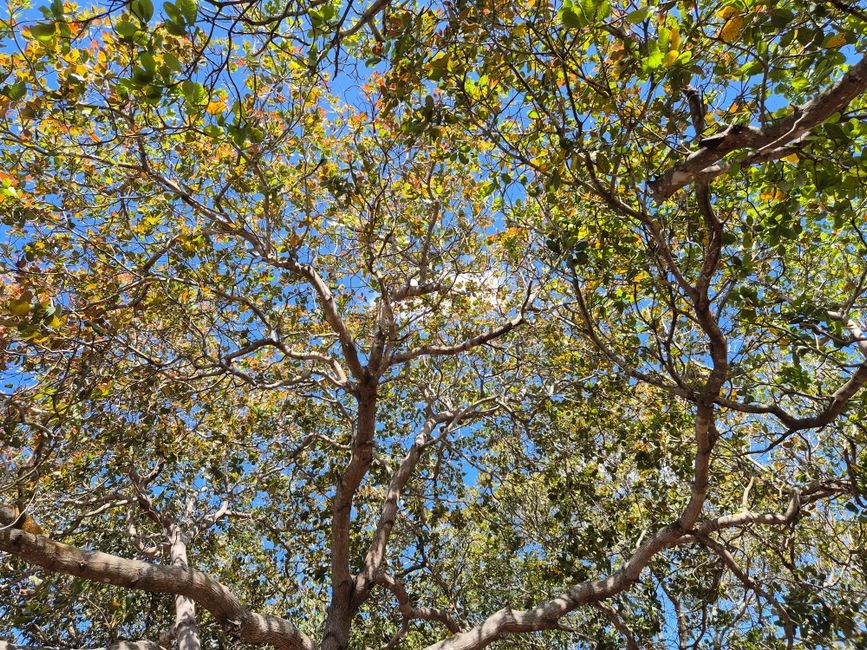
Florida’s tree identification hinges on leaf shape, arrangement, and margin. Broad‑lobed Quercus leaves contrast with the narrow, needle‑like foliage of Pinus. Bark texture ranges from the rough, fissured bark of live oaks to the smooth, gray bark of Pinus elliottii. Flower structure is also diagnostic: the showy, funnel‑shaped flowers of Sabal palmetto differ from the small, inconspicuous catkins of Pinus. Observing these traits during flowering or fruiting seasons provides reliable clues. Detailed illustrations in the Tree of Florida guide and local herbarium records aid confirmation. Recording habitat context—wetland, upland, or coastal—further refines identification, supporting conservation and proper management of Florida’s diverse forest ecosystems.
Key leaf traits include the presence of stipules, leaflet number, and leaf base shape. Bark fissures often reveal age and species, while flower color and nectar guides help differentiate closely related taxa. Seasonal fruiting, such as the red drupes of Sabal or the acorns of Quercus, provides additional identification cues. Field guides and digital apps can cross‑reference these traits for quick verification.
Field observations and herbarium specimens provide a framework in field for Florida’s trees!
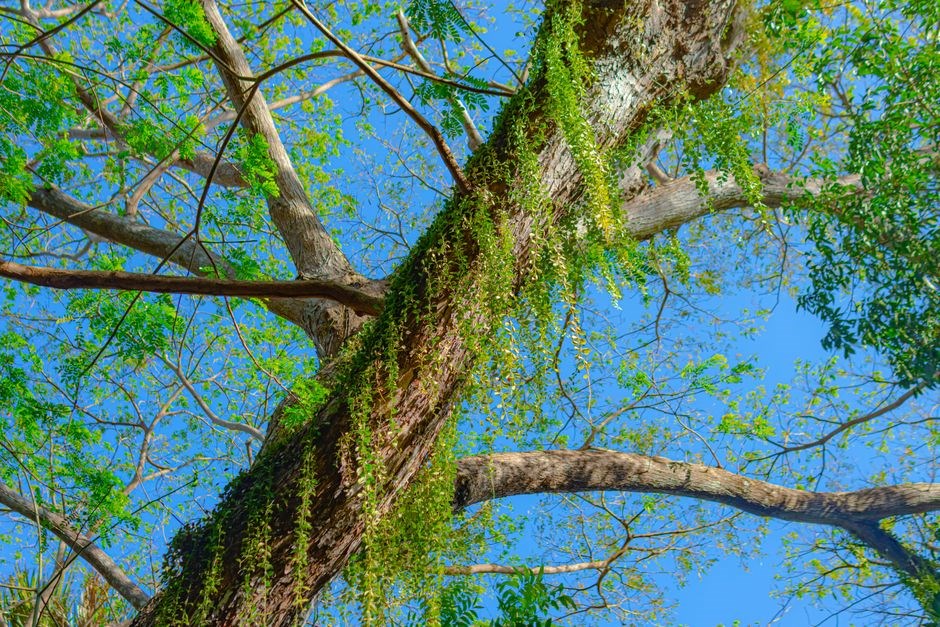
Seasonal Phenology: Fruit and Seed Timing
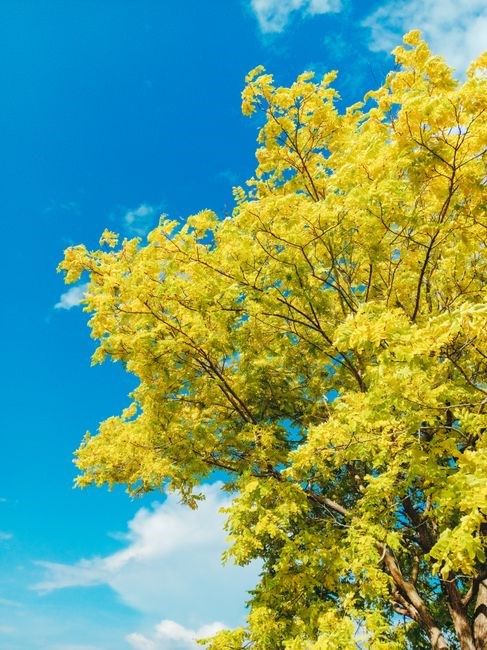
Florida’s trees follow a distinct seasonal rhythm that aids identification. Live oak (Quercus virginiana) produces acorns in late summer and early fall, often dropping in clusters that mark mature stands. Saw palmetto (Sabal palmetto) bears sweet, edible fruits in winter, while the red drupes of cabbage palm (Sabal palmetto) appear in late summer. The smooth‑barked bald cypress (Taxodium distichum) drops bright orange seeds in late fall, visible against the canopy. In upland pine forests, the short‑lived catkins of loblolly pine (Pinus taeda) appear in early spring, followed by seed cones in late summer. The flowering of the Florida torreya (Torreya taxifolia) produces conspicuous cones in late summer, a rare sight that signals a protected habitat. Tracking these temporal patterns not only confirms species identity but also informs conservation timing, such as optimal planting or removal windows. Seasonal cues also guide ecological research, allowing scientists to monitor phenological shifts linked to climate change and to assess the health of coastal mangrove stands during the wet season. By noting when a live oak’s acorns first appear, a botanist can estimate the tree’s age, while the timing of a saw palmetto’s fruiting informs land managers about optimal harvest periods for sustainable use. This phenology guide supports both hobbyists and professionals alike. This guide aids both hobbyists and professionals.!!
Using Digital Tools: Apps and Online Databases
Modern identification relies on mobile apps and web portals that aggregate Florida’s botanical data. PlantSnap, a cross‑platform image recognition service, offers a library of 200,000 species, including 400 Florida trees, and provides instant feedback on leaf shape, bark texture, and fruit. The Florida Plant Identification app, developed by the Florida Department of Environmental Protection, supplies a searchable database of 500 species, complete with high‑resolution photos, range maps, and seasonal phenology charts. For researchers, the USDA PLANTS Database and the Global Biodiversity Information Facility (GBIF) host georeferenced specimen records, enabling users to overlay occurrence data on county maps. The iNaturalist platform allows citizen scientists to upload observations, which are vetted by experts; the resulting community‑curated records help refine species distribution models. For field technicians, the iOS and Android app “iCaw” offers a quick reference guide to tree families, with downloadable PDFs for offline use. Integration of GPS coordinates, timestamp, and photographic evidence ensures accurate data capture, supporting conservation planning and invasive species monitoring. By combining image recognition, geospatial analysis, and community science, these digital tools democratize tree identification and foster a deeper understanding of Florida’s arboreal diversity. Educational institutions also employ the interactive “Tree Identification Workshop” module, which guides students through a step‑by‑step diagnostic flowchart, reinforcing morphological criteria and encouraging field verification. Additionally, the newly launched “Florida Tree Atlas” web portal offers a dynamic heat‑map visualization of species abundance, allowing users to compare historical and current data sets for trend analysis. Users can export CSV files for GIS integration, facilitating advanced spatial modeling. Data updates monthly. Join us. Now!
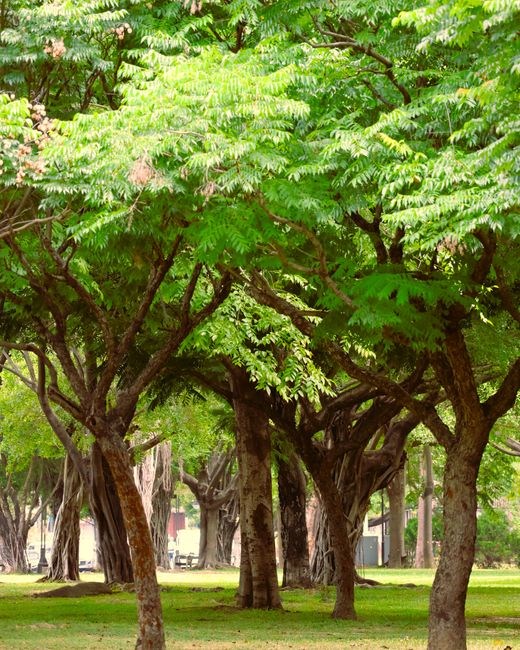
Key Native Tree Families and Species
Florida’s forests feature oak, pine, palm, mangrove families. Quercus spp. show lobed leaves; Pinus spp. bear needle clusters. Sabal has fan leaves; Avicennia marina forms mangroves. Identification uses leaf shape and bark.
Oaks (Quercus spp.) and Their Identification Markers
Florida’s oak species, Quercus virginiana, Quercus geminata, and Quercus palustris, display distinct leaf lobing, bark texture, and acorn morphology. Mature leaves are 4–8 cm long, with 3–5 lobes that may be shallow or deep, and a glossy green upper surface that turns yellow or brown in fall. The underside is lighter, sometimes with a silvery sheen. Bark is fissured, ranging from dark gray to brown, and may develop long, vertical ridges in older trees. Acorns are a seasonal marker: Quercus virginiana produces large, smooth, brown acorns that mature in 18–24 months, while Quercus geminata yields smaller, darker acorns that mature in 6–9 months. The cup scales of Quercus palustris are typically wide and overlapping, giving a “cup” appearance. In spring, new leaf buds emerge as green, often with a waxy coating that helps reduce water loss. Observing these traits—leaf shape, bark fissure pattern, acorn size and maturation period—provides identification for field botanists and hobbyists alike. Additionally, many oaks exhibit a characteristic “crown” shape: a spreading canopy that can reach 20–30 meters in height for the largest species. By combining morphological observations with context—such as the presence of oak savannas in central Florida or wetland oaks along the coast—accurate species determination becomes straightforward.
Palms (Corypha, Sabal) and Their Distinctive Features
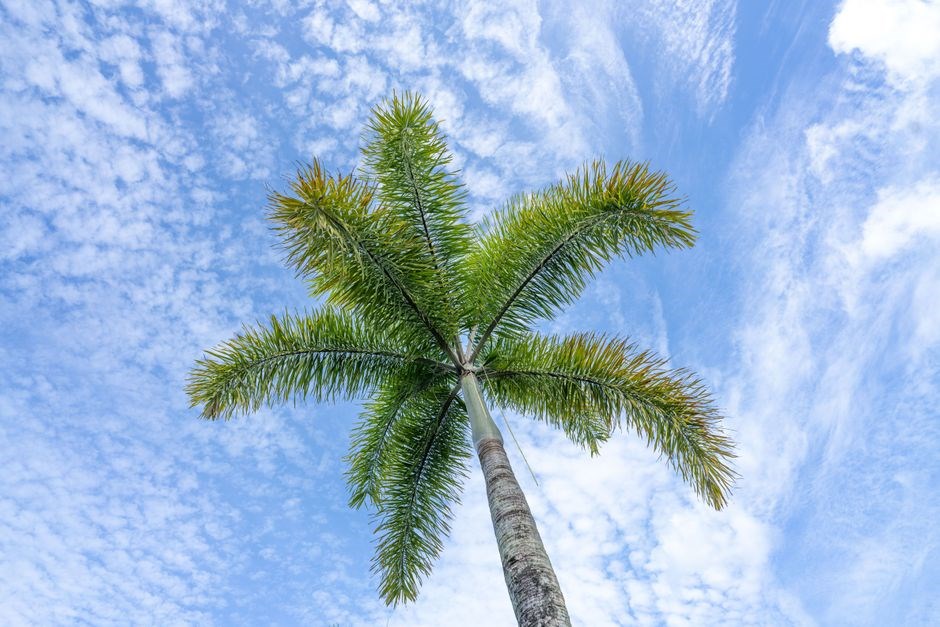
Corypha and Sabal palms, common in Florida, differ in leaf arrangement, trunk texture, and fruit. Corypha, the king palm, has a stout, smooth trunk that may reach 12–15 m, with a single, fan-shaped leaf crown at the top. Leaves are large, 1–2 m long, and fan-shaped, with a central rachis and evenly spaced leaflets. The leaf base is thick, forming a protective sheath. The trunk is smooth, sometimes with faint vertical lines, and lacks a pronounced crownshaft. Fruit is a large, oval, brown seed pod that matures in late summer. In contrast, Sabal palmetto, Florida’s state tree, has a more robust trunk with a prominent crownshaft—a vertical, smooth, green column formed by leaf sheaths. Leaves are pinnate, 1–1.5 m long, with 30–50 leaflets arranged in a feather-like pattern. The leaf base is tightly wrapped, creating a distinct, narrow crown. Fruit is a small, dark berry that ripens in late winter. Both palms thrive in wet soils, but Sabal prefers coastal dunes, while Corypha is found in inland wetlands. Identification hinges on leaf shape, trunk features, and fruit timing. Field notes leaf base: Corypha broad, flat; Sabal narrow, wrapped. Corypha trunk unbranched base; Sabal crownshaft branching. In the wet season, Sabal’s leaves unfurl rapidly, whereas Corypha’s leaves emerge more slowly and!
Wetland Trees: Mangroves and Sea Grapes
Mangroves (Rhizophora mangle) dominate Florida’s estuaries, identifiable by their stilt roots that rise above water, a thick, fibrous bark, and glossy, oval leaves with serrated edges. The bark is dark gray, often fissured, and the leaves are 10–15 cm long, arranged in a spiral. Fruit is a small, round, brown drupe that matures in late summer. Sea grapes (Coccoloba uvifera) are a distinct canopy tree, featuring a smooth, gray trunk, and a crown of large, compound leaves with 5–7 leaflets each. Leaves are 30–45 cm long, glossy dark green, and the leaflets are ovate with a slightly toothed margin. The bark is smooth and gray, sometimes with faint horizontal lines. Fruit is a bright red berry, 1–2 cm in diameter, that ripens in late winter to early spring. Identification in the field relies on root structure for mangroves, leaf arrangement for sea grapes, bark texture, and fruit timing. Both species thrive in brackish water, but mangroves prefer tidal flats while sea grapes favor sandy dunes and marsh edges. Proper recognition aids in conservation and management of Florida’s coastal ecosystems.
Field identification often uses root morphology, leaf venation, and fruit color to distinguish species, while seasonal phenology provides clues for accurate mapping. This aids care and!!
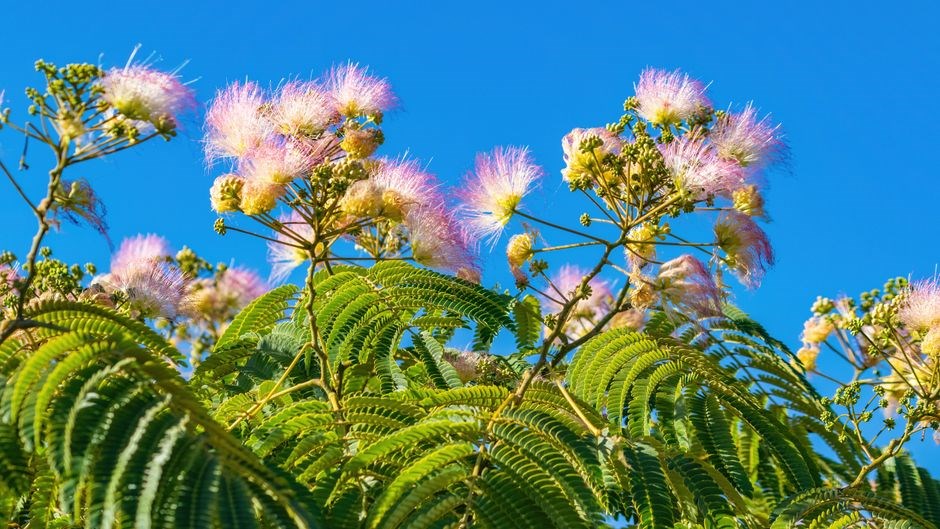
Conservation, Protection, and Management
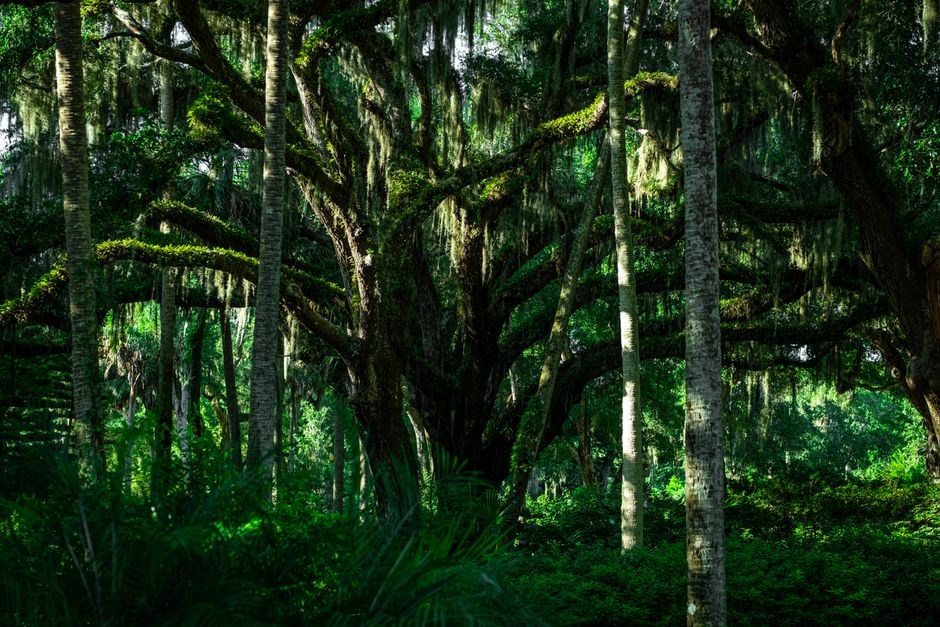
Florida’s tree laws safeguard iconic species like mangroves, sea grapes, and large oaks. ordinancesandtheDEP enforce setbacks, removal protocols,and restoration projects. Invasive species control sustain native forests!
State and Local Protective Laws for Iconic Trees
Florida’s statutes protect landmark species such as the Atlantic mangrove (Avicennia germinans), sea grape (Coccoloba uvifera), and live oak (Quercus virginiana). The Florida Department of Environmental Protection (FDEP) enforces the Tree Protection Act, requiring permits before cutting or moving protected trees. Local ordinances in Miami‑Dade and Broward counties add setbacks from property lines. Violations can incur fines of $200–$5,000, depending on tree size. The Wetland Conservation Act mandates that projects within 100 feet of mangroves conduct impact assessments and, if needed, replant or restore habitat. FDEP offers a Tree Preservation Grant of up to $2,000 for homeowners who maintain native species. These laws preserve Florida’s arboreal heritage, biodiversity, and coastal ecosystems. Residents should consult the FDEP portal or local district office for guidance and permit assistance. By following these regulations, communities can ensure iconic trees thrive for generations. The state also requires that any removal of a protected tree be accompanied by a written justification and, in many cases, a replanting plan approved by a certified arborist. Municipalities often impose additional restrictions, such as prohibiting removal within 15 feet of a sidewalk or scheduling removal during the dormant season to minimize ecological impact. The FDEP’s online database provides a searchable list of protected species and the regulations that apply, allowing owners to verify compliance before work. Outreach programs educate residents on the importance of native trees for stormwater management, carbon sequestration, and wildlife habitat. These protections also support educational initiatives that highlight the ecological services provided by native trees. By integrating these legal frameworks with stewardship, Florida can maintain its diverse tree populations while balancing development and.
Managing Invasive Trees in Florida Landscapes
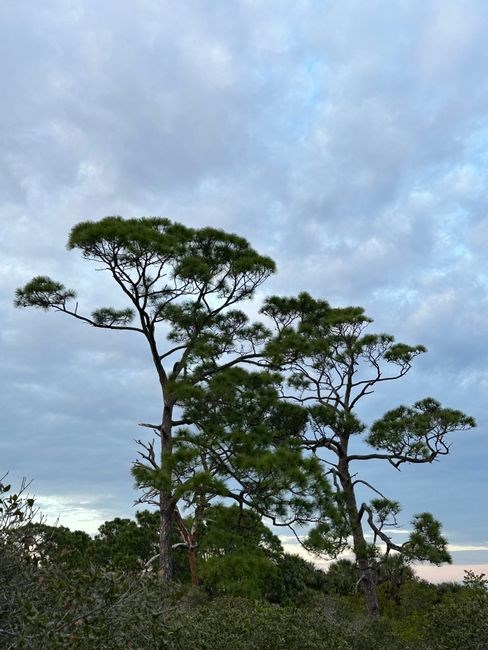
Invasive trees such as the Brazilian pepper (Schinus terebinthifolius), the African tulip tree (Spathodea campanulata), and the Chinese tallow (Triadica sebifera) threaten Florida’s native ecosystems. Management begins with using leaf, bark, and fruit characteristics. Once confirmed, a multi‑phase strategy is recommended: mechanical removal, chemical treatment, and biological control. Mechanical include hand‑pulling for small specimens, mulching or stump grinding for larger ones. For chemical control, selective herbicides like glyphosate are applied to cut stems or leaf scars, ensuring minimal drift to surrounding native flora. Biological agents, such as the beetle Spathodea or the parasitic wasp Cotesia spp., have shown promise in reducing seed viability. Integrated Pest Management (IPM) protocols require monitoring for regrowth, re‑application of herbicides, and periodic assessment of ecosystem recovery. Community outreach programs educate homeowners on early detection, proper disposal of invasive material, and the importance of planting native alternatives. Collaboration with local extension services and the Florida Exotic Pest Plant Council (FEPPC) provides access to updated control guidelines and permits for large‑scale removal. combining these tactics land managers can mitigate the ecological impact of invasive trees promote resilient native forests.
Best Practices for Sustainable Tree Care
Adopting a holistic approach to Florida tree stewardship begins with selecting native species that match local soil, moisture, and light conditions; this reduces the need for irrigation and chemical inputs. Proper spacing, determined by mature canopy diameter, prevents root competition and promotes healthy growth. Mulching with organic material, such as shredded bark or leaf litter, conserves moisture, suppresses weeds, and adds nutrients as it decomposes. Integrated pest management (IPM) is essential: monitor for early signs of disease or insect attack, apply targeted, low‑toxic treatments, and encourage natural predators. Pruning should follow the “prune early, prune often” principle, removing dead or crossing limbs in late winter to avoid sap loss. Watering during the first two years after planting should be deep and infrequent, mimicking natural rainfall patterns; after establishment, trees typically require only supplemental water during prolonged droughts. Soil testing every five years identifies pH and nutrient deficiencies, guiding precise fertilizer applications that avoid over‑fertilization. Protecting root zones with physical barriers deters lawn equipment damage. Finally, education and local extension services provide workshops on tree identification, planting techniques, schedules, ensuring a residents share knowledge base.