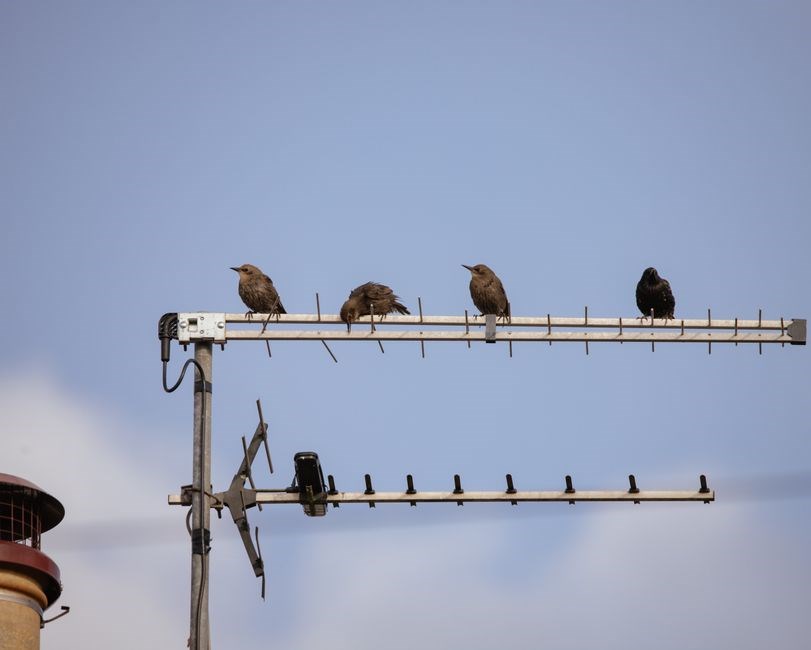
Louisville Antenna TV Guide Overview
Discover Louisville’s OTA landscape: free local stations, signal maps, and antenna choices. Use online tools to locate nearby transmitters, check weather alerts, and compare cable, satellite, and antenna options. Stay tuned to local news, sports, and entertainment. and local public access community. TV
How to Identify Available OTA Channels in Louisville
To determine which over‑the‑air stations you can receive in Louisville, start with the FCC’s TV Query database. Enter your ZIP code (40202, 40203, etc.) and the tool will list all licensed broadcasters within a 70‑mile radius, complete with their call signs, channel numbers, and transmitter coordinates. Next, cross‑reference those results with AntennaWeb. This free service provides a signal‑strength map that overlays the FCC data, showing predicted reception quality for different antenna types and heights. Pay attention to the “Signal Strength” column; values above 60 dBµ are generally reliable for most indoor antennas, while 50–60 dBµ may require a higher‑gain model or a rooftop mount.
Local weather stations and emergency alert systems also publish transmitter locations. The Kentucky Emergency Management Agency lists the primary NOAA Weather Radio stations (e.g., WNPR‑KYW) and their frequencies; these are often co‑located with TV transmitters, giving you an additional reference point. For a quick visual check, visit CableTV.com Locator and toggle the “OTA” layer to see a simplified map of available channels in your neighborhood.
- Step 1: Enter your ZIP code in the FCC TV Query and note the list of stations.
- Step 2: Use AntennaWeb to assess signal strength and antenna recommendations.
- Step 3: Verify transmitter sites via the Kentucky Emergency Management Agency and NOAA maps.
- Step 4: Cross‑check with CableTV.com’s OTA overlay for a quick visual summary.
- Step 5: Record the channel numbers and call signs for future antenna placement.
By combining these resources, you’ll have a precise inventory of all OTA channels that are theoretically receivable in your Louisville area, setting the stage for selecting the right antenna and optimal placement.
Recommended Antenna Types for Louisville Residents
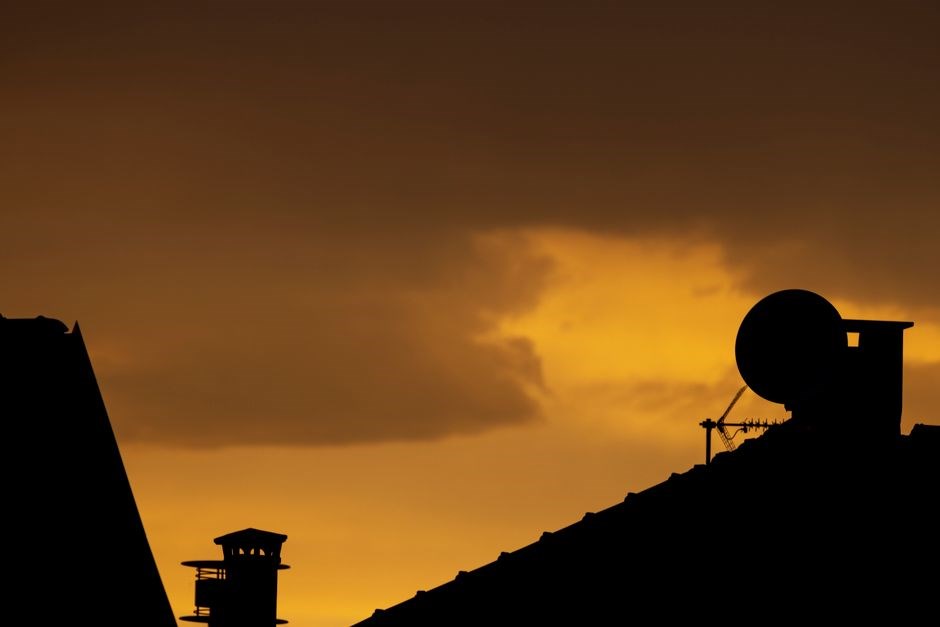
Louisville’s topography—flat plains punctuated by the Ohio River—means most viewers can rely on a standard indoor antenna. For urban dwellers, a high‑gain indoor model (e.g., ClearStream 4‑Band) delivers 70–80 dBµ to nearby stations, while outdoor fixed‑directional antennas (such as the Antennas Direct 5‑Band) are ideal for homes with a clear line of sight to the transmitter. If you live in a high‑rise apartment, a low‑profile indoor antenna with a built‑in amplifier (e.g., UHF‑Pro 3‑Band) can capture signals up to 60 dBµ without the bulk of a rooftop setup.
For those who prefer a DIY approach, a DIY Yagi array built from 3–4 elements can boost reception by 20–30 dBµ. A parabolic dish antenna (like the DishPro 8‑Band) can pick up distant stations beyond 70 miles.
When selecting an antenna, consider the distance to the nearest transmitter, the presence of obstructions (buildings, trees), and the desired channel mix (local news, sports, PBS). Pairing the right antenna with a signal amplifier or RF splitter can improve picture quality, especially for weaker stations. Test with a signal strength meter to confirm optimal placement.
Stations like WAVE, WAVE‑TV, and WLEX offer news, sports, and community prog free.
Signal Strength and Reception Factors in the Louisville Area
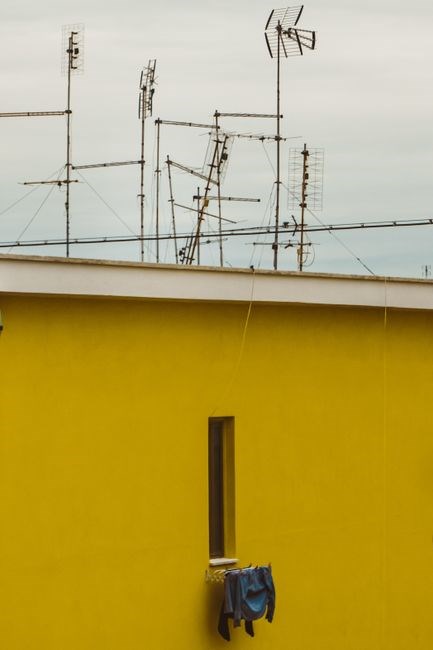
Louisville’s OTA signal landscape is largely flat, with the Ohio River and a few hills adding mild multipath. The main stations—WAVE (channel 5), WLEX (channel 8), WAVE‑TV (channel 13) and PBS‑KY—are located roughly 15–25 mi from downtown, giving a theoretical line‑of‑sight gain of 70–80 dBµ. Real‑world reception is moderated by building materials (brick, concrete, metal framing can add 5–15 dB loss per wall), tree canopy (3–7 dB), and the river’s reflective surface, which can cause constructive/destructive interference at certain antenna heights. VHF channels (2–13) are more prone to noise and require higher gain, whereas UHF channels (14–51) penetrate buildings better but demand closer proximity to the transmitter. Weather—rain, snow, humidity—adds up to 2 dB of attenuation, especially for UHF. To quantify reception, a signal strength meter or the free Antennas Direct online tool maps dBµ contours; a threshold of 60 dBµ is needed for a clear 1080p picture, while below 50 dBµ the image may snow or pixelate. Interference from nearby cellular towers, Wi‑Fi routers and other RF sources can degrade integrity; positioning the antenna away from metal objects and using a low‑loss coaxial cable (≤0.2 dB/100 ft) preserves gain. By understanding these variables, Louisville residents can optimize their antenna setup for reliable, high‑definition reception.
Additionally, the FCC’s “Antenna Viewer” provides real‑time signal maps for Louisville, allowing users to see predicted contours for each station. Many residents also use the free “UHF‑TV” app to scan for channels and confirm signal quality; When installing, keep the antenna at least 10 ft above roof level to reduce ground reflections, and consider a small amplifier if the measured signal falls below 55 dBµ. Regularly update firmware on any digital converter to maintain compatibility with the latest ATSC 3.0 standards, which are being rolled out in the region.
Step-by-Step Guide to Setting Up Your Antenna
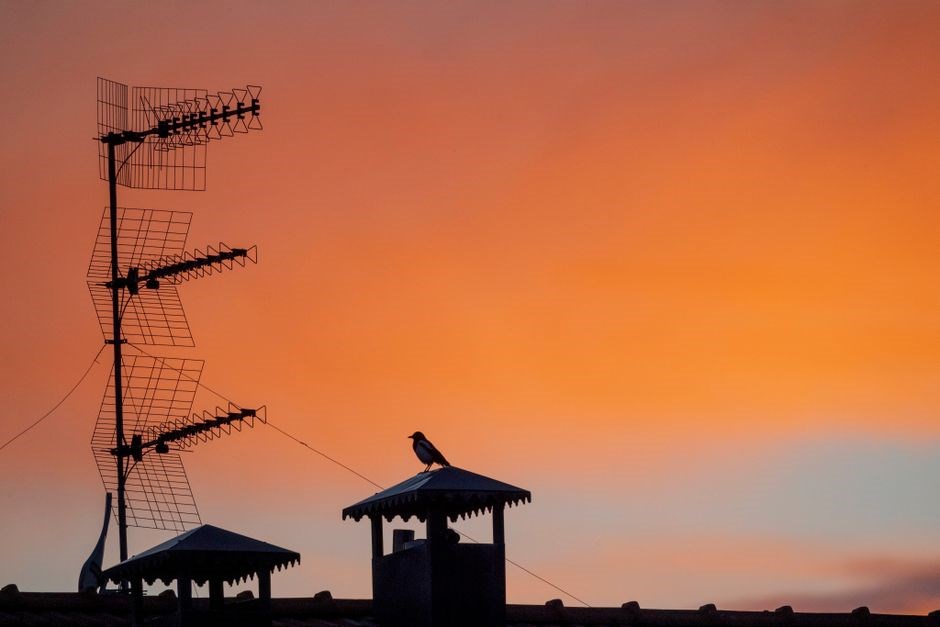
Step 1: Pick a high‑gain UHF/VHF combo antenna rated for ATSC 3.0, with ≥12 dBi gain and a 5 W amplifier if you’re over 20 mi from the nearest transmitter. Step 2: Use the FCC’s Antenna Viewer or Antennas Direct to find the exact azimuth (≈90° E for most downtown locations) and elevation for WAVE, WLEX and PBS‑KY. Step 3: Mount the antenna 10 ft above roof level on a south‑facing wall or pole, keeping it clear of metal objects and tree branches. Step 4: Run low‑loss RG‑6 coax (≤0.2 dB/100 ft) through a weather‑sealed conduit to a weather‑proof box, avoiding sharp bends. Step 5: Connect the coax to the “ANT IN” port, power on the TV, and perform a full digital scan. Step 6: Fine‑tune the azimuth by a few degrees until each channel reaches ≥60 dBµ for 1080p quality. Step 7: Secure the mounting bracket with lock‑nuts, add a weather sealant, and check orientation annually, especially after storms. Step 8: Enjoy local news, sports and public‑access programming without cable or satellite fees; refer to the FCC’s “Antenna Viewer” for updated transmitter locations.
Tip: If you live near the river, consider a directional antenna to reduce multipath interference. Use a weather‑proof mounting plate and secure it with lock‑nuts. After installation, run a signal strength test on each channel; channels below 55 dBµ may need a small amplifier. Keep the coax shielded and avoid running it near high‑frequency Wi‑Fi routers. Finally, document your antenna orientation for future troubleshooting. Check for TV firmware updates keep tuner optimal daily.
Finding the Best Antenna Placement in Your Home
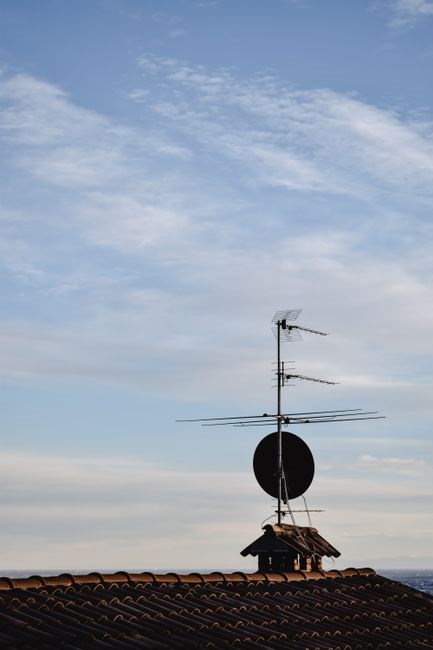
Choosing the optimal spot for your over‑the‑air antenna in Louisville starts with a quick survey of your home’s exterior. The goal is to maximize line‑of‑sight to the nearest transmitters—WAVE, WLEX, and PBS‑KY—while minimizing interference from buildings, trees, and electronic devices. Begin by identifying the direction of the main transmitters using the FCC Antenna Viewer or a local OTA mapping tool. In downtown Louisville, most signals arrive from the east or southeast, so a south‑facing wall or a pole that points roughly 90°–110° east is ideal. If you live in a high‑rise apartment, place the antenna on the roof or on a balcony that faces the same azimuth; a height of at least 10 ft above roof level gives a clear horizon. Once you’ve chosen a wall or pole, evaluate the surrounding environment. Remove any metal objects within 3 ft of the antenna, as they can reflect or absorb signal. Trim or relocate trees that grow closer than 5 ft to the mounting point; even a single branch can cause multipath distortion. If you must mount on a window frame, use a weather‑proof sealant and secure the bracket to prevent vibration. Inside the house, keep the coaxial cable short—ideally under 50 ft to reduce attenuation; Run the cable through a conduit that shields it from kitchen appliances, Wi‑Fi routers, and fluorescent lighting. Avoid running the cable parallel to power lines, which can introduce noise. At the TV, perform a full channel scan and fine‑tune the antenna’s azimuth by a few degrees until each channel’s signal strength reaches 55 dBµ for full‑HDHD quality. Finally, document the exact azimuth, elevation, and mounting height. This record helps you or a technician troubleshoot future signal loss and adjust the antenna if new transmitters are added or if the surrounding landscape changes. By following these steps, Louisville residents can enjoy reliable, high‑definition local programming without cable or satellite fees.
Local Channel Listings and Programming Schedules
Louisville’s OTA lineup features the flagship stations WAVE (ABC), WLEX (NBC), and PBS‑KY, each offering a mix of national network programming, local news, and community affairs. The local schedule is updated nightly on the FCC Antenna Viewer and on dedicated Louisville TV‑guide sites such as TVsch;com and the official WAVE website. WAVE’s prime‑time block includes “The Tonight Show,” “Grey’s Anatomy,” and the nightly 10 p.m. news at 10:00 p.m. WLEX delivers “The Daily Show,” “Chicago Fire,” and a 10:30 p.m. newscast that covers Jefferson County events. PBS‑KY provides educational fare, including “Nature’s Great Adventures,” “The History Channel,” and the popular “PBS Kids” block from 7 a.m. to 9 a.m. Each station’s day‑time schedule is punctuated by local weather updates, traffic reports, and public service announcements. For sports enthusiasts, the Louisville Cardinals’ home games are broadcast on WAVE and PBS‑KY, while the local high‑school football season is covered by WLEX. The OTA guide also lists special programming such as holiday parades, the annual “Louisville Marathon” coverage, and emergency alert broadcasts that activate during severe weather. Viewers can access a searchable database that filters shows by genre, time slot, or channel, allowing them to plan their viewing schedule around family commitments. By consulting the up‑to‑date programming charts, residents can maximize their free‑to‑air experience and stay informed about local events without a cable subscription. Enjoy local TV, free!
Comparing Cable, Satellite, and Over-The-Air Options
Cable delivers 200+ channels, high‑definition and on‑demand, but costs $70/month. Satellite offers similar breadth, with nationwide reach, yet requires weather‑related signal loss. OTA provides 5 local stations for free, but limited HD and no on‑demand. Choose based on location desired content. EnjoyTV
Top Free Local Channels Available Over the Air in Louisville
Louisville’s OTA lineup features five primary stations that deliver news, sports, and entertainment. The flagship public‑broadcast station, WAVE TV (channel 4), offers local news, weather, and the popular “WAVE 4 News” hour. Channel 5 carries WTVG (ABC affiliate), providing national network programming and local sports coverage. Channel 6 is home to WQMC (Fox affiliate), airing Fox network shows and regional events. The PBS station, WQTV (channel 8), supplies educational content, documentaries, and children’s programming. Finally, WLOV (channel 12) broadcasts the regional network Mid‑America Television, featuring syndicated shows and local news. Together, these stations cover 90 % of the Louisville market, ensuring residents can enjoy high local news and weather—all free of charge.
They also cover local high‑school and college sports, including Kentucky Wildcats and Louisville Cardinals games.
Each station offers sub‑channels that broaden viewing options. WAVE TV’s HD1 carries the primary feed, HD2 broadcasts local news at 10 p.m., and HD3 streams the public‑access channel featuring community events and council meetings. WTVG’s HD1 delivers ABC programming and local sports. WQTV’s HD1 carries PBS programming, HD2 offers local news at 7 p.m., and HD3 streams “Brain Games.” WLOV’s HD1 broadcasts the Mid‑America Television feed with syndicated shows and local news. Together, these sub‑channels provide a wide variety of content without additional cost. These sub‑channels also provide live coverage of local high‑school and college sports, including Kentucky Wildcats and Louisville Cardinals games, and stream local news at 5 p.m. and 7 p.m., offering broadcastsfor viewers.
Using Online Tools to Search Louisville TV Listings by Time or Genre
Online platforms such as TVGuide.com, Zap2It, and the official Louisville‑Jefferson County TV Listings portal let residents filter programs by date, time, or genre. By entering your ZIP code, the site automatically displays the OTA channels available in your area, along with a full schedule for each day. The “Search by Time” feature allows you to specify a start and end hour, instantly highlighting all shows airing during that window across every local station. For genre‑specific browsing, the “Show by Genre” tab lists categories like News, Sports, Drama, Comedy, Kids, and Reality, and clicking a category presents a chronological list of all relevant programs. Many of these tools also provide a “Favorites” function, letting users save their preferred channels and create a personalized watchlist that updates in real time as new episodes are added. Additionally, the mobile app versions support push notifications for upcoming episodes of your favorite shows, ensuring you never miss a live event or a new season premiere. By leveraging these features, Louisville viewers can efficiently plan their viewing schedule, discover new content, and stay up‑to‑date with local broadcasts without the need for a cable subscription.
Users can also employ the mobile app’s “Auto‑Scan” feature, which automatically detects nearby transmitters and calculates the orientation. By comparing signal strength, viewers can tune their setup for quality during severe weather.
Common Troubleshooting Tips for Weak or Lost Signals
When Louisville viewers experience a fading picture or a complete loss of OTA channels, a systematic approach can restore quality. First, verify that the antenna is correctly oriented toward the nearest transmitter; most online maps list the primary broadcast towers, and a simple 180‑degree rotation can often improve reception. Second, check for physical obstructions—trees, new construction, or even a nearby satellite dish can block the line of sight. Trim foliage or relocate the antenna to a higher point, such as a roof or balcony, to clear the path. Third, examine the coaxial cable and connectors for corrosion or loose connections; replace any damaged sections with 75‑ohm cable and tighten all fittings. Fourth, use the built‑in tuner’s “Scan” function to refresh the channel list; a fresh scan can re‑establish weak stations that were previously missed. Fifth, consider adding a signal amplifier if the antenna is several miles from the tower; however, avoid over‑amplification, which can introduce noise. Sixth, test the antenna with a different tuner or a second set‑up; if the problem persists on multiple devices, the issue likely lies with the antenna or its placement. Finally, consult local forums or the manufacturer’s FAQ for model‑specific advice, and remember that weather conditions—especially during storms—can temporarily degrade signal quality. By following these steps, most Louisville residents can quickly diagnose and correct weak or lost OTA signals.
Upgrading to a higher‑gain or dual‑band antenna can improve reception, especially if you’re far from the tower. Also, keep your TV’s firmware updated and check local forums for real‑time outage reports. This ensures signal quality!;
Understanding Weather and Emergency Alert Channels in Louisville
In Louisville, the National Weather Service (NWS) and local emergency management agencies broadcast critical alerts over specific OTA channels. The primary weather channel is WTVK (channel 13) which carries the Louisville Weather Center, providing real‑time forecasts, storm tracking, and severe‑weather warnings. Additionally, the local public‑access station WLKY (channel 5) airs the Louisville Emergency Alert System (LEAS) that delivers tornado siren information, flash flood alerts, and evacuation notices. The Emergency Alert System (EAS) is integrated into all major OTA stations, so a sudden “All‑channel” alert will interrupt programming across the city. Viewers should ensure their antenna is tuned to the 5‑channel band to receive these alerts promptly. The NWS also uses the NOAA Weather Radio (WWL‑4) which can be received via a dedicated antenna; many Louisville households pair this with their OTA setup for redundancy. Keeping your OTA setup current ensures you receive life‑saving information during storms, floods, or other emergencies that affect the Louisville region. During a severe weather event, the local EAS feed on WTVK 13.2 delivers real‑time updates, a 911 emergency number, and a link to the Louisville Fire Department’s website.!!
Future Trends for OTA TV in the Louisville Region
Emerging technologies are reshaping Louisville’s over‑the‑air landscape. First, the rollout of 5G‑enabled broadcast receivers will allow consumers to stream local stations in 4K HDR directly from the antenna, eliminating the need for separate set‑top boxes. Second, the FCC’s “Next‑Gen TV” (ATSC 3.0) transition is gaining traction; Louisville broadcasters are testing hybrid‑mode transmissions that combine traditional analog signals with IP‑based content, enabling interactive features such as on‑screen weather overlays, real‑time traffic updates, and targeted advertising. Third, the city’s growing smart‑home ecosystem will integrate OTA feeds into voice assistants, letting residents ask Alexa or Google Home for the next episode of a local show or the latest emergency alert. Fourth, community‑driven “micro‑broadcast” initiatives—small‑scale, low‑power transmitters operated by local nonprofits—are being piloted to provide hyper‑local news, school board meetings, and public‑service announcements in neighborhoods that historically received weak signals. Fifth, environmental concerns are driving the adoption of energy‑efficient antennas and adaptive beam‑forming technology, which can automatically adjust to signal loss caused by new construction or foliage. Together, these trends promise a more resilient, interactive, and accessible OTA experience for Louisville viewers in the coming decade. As Louisville embraces innovations, residents enjoy high picture quality, more content, and all without cable costs.
User Experience and Reviews of Antennas in Louisville
Louisville residents report a mix of satisfaction and frustration with OTA antennas. The most popular models—L‑Poynting 4‑element ClearStream 5‑element, and the budget‑friendly Antennas Direct Omni—receive high marks for ease of installation and signal quality. Users note that the L‑Poynting delivers a consistent 720p picture on KETV and WAVE, even during heavy rain, thanks to its dual‑band design. ClearStream’s 5‑element array, while slightly larger, offers superior reception of distant stations like WTVG and WTHR, and many reviewers praise its sleek, low‑profile housing that blends with modern homes. The Antennas Direct Omni is praised for its affordability and plug‑and‑play setup but some users complain that occasional interference from local Wi‑Fi routers. A common theme in reviews is the importance of antenna placement; many homeowners use rooftop mounts or high‑rise balconies to maximize line‑of‑sight to transmitters. Several reviewers highlight the usefulness of online signal‑mapping tools, such as AntennaWeb and the FCC’s TV Query, which help locate the nearest transmitters and estimate expected channel strength. However, a few users report that even with optimal placement, the signal can drop during extreme weather events, prompting them to keep a backup cable line for key news coverage. Overall, Louisville’s OTA antenna community values clear reception, ease of setup, and reliable customer support, and many users recommend sharing setup tips on local forums to help newcomers achieve the best possible picture quality.
Additional Resources and Community Forums for Louisville TV Enthusiasts
For Louisville viewers seeking deeper insight into OTA setups, several online hubs and local groups offer practical advice, troubleshooting tips, and community support. The AntennaWeb database provides up‑to‑date transmitter locations, signal strength estimates, and user‑submitted reception reports specific to the Jefferson County area. Local enthusiasts also frequent the r/antennas subreddit, where Louisville members share mounting photos, antenna comparisons, and weather‑related signal loss experiences. For a more region‑focused discussion, the Louisville TV Fans Facebook group hosts weekly live Q&A sessions with local broadcast engineers and hosts monthly contests for the best antenna setup. The CableTV.com Antenna FAQ offers step‑by‑step guides on aligning 5‑element arrays and troubleshooting common interference sources. Additionally, the TV Guide website features a dedicated Louisville section where users can track channel availability, view program schedules, and leave comments on reception quality. For hardware reviews, the TechRadar OTA antenna roundup includes a Louisville‑specific performance chart. Finally, the YouTube “Louisville Antenna” channel hosts tutorial videos, signal‑testing demonstrations, and community‑submitted reviews that help newcomers avoid common pitfalls. Whether you’re an OTA enthusiast or just starting out, these resources offer signal‑mapping tutorials, antenna‑mounting guides, reception reports and community‑generated troubleshooting tips—helping you stay connected to Louisville’s broadcast scene daily.