
Massachusetts Divorce Forms PDF: A Comprehensive Guide (Updated 04/14/2026)
Navigating a Massachusetts divorce requires specific paperwork; this guide consolidates essential Probate Court forms, aiding those initiating a 1A or 1B divorce proceeding․
Understanding Massachusetts Divorce Processes
Massachusetts divorce proceedings primarily operate under a “no-fault” system, meaning neither party needs to prove wrongdoing to obtain a divorce․ The core principle revolves around the “irretrievable breakdown” of the marriage․ Individuals can initiate divorce through two main avenues: a 1A Joint Petition, requiring mutual agreement, or a 1B Complaint for No-Fault Divorce, filed when spouses disagree․
The 1A process is streamlined, reflecting a collaborative approach, while the 1B route involves formal service of process and potential court hearings․ Regardless of the chosen path, mandatory financial disclosures are crucial․ These disclosures ensure transparency regarding assets, debts, and income․ Understanding these fundamental processes is the first step in navigating the legal landscape․ Proper form completion and adherence to court procedures are vital for a successful outcome․ Seeking legal counsel can provide clarity and guidance throughout this complex journey․
No-Fault Divorce Options: 1A vs․ 1B
Massachusetts offers two primary no-fault divorce options: 1A Joint Petition and 1B Complaint for Divorce․ The 1A is a collaborative approach, ideal when both spouses agree on the divorce and its terms․ It simplifies the process, requiring joint filing and potentially reducing legal fees․ However, complete agreement is essential․
Conversely, the 1B Complaint is utilized when spouses cannot agree․ This involves one party formally notifying the other, initiating a more adversarial process․ It necessitates serving the complaint and requires a response․ While potentially more complex, it allows for divorce even without spousal consent․ Both options necessitate completing mandatory divorce forms, including financial statements and vital statistics documentation․ Choosing between 1A and 1B depends on your specific circumstances and your spouse’s willingness to cooperate․ Legal guidance can help determine the most appropriate path․
Required Core Divorce Forms
Every Massachusetts divorce, regardless of its type, necessitates four fundamental forms․ First, the Financial Statement – Short Form provides a concise overview of your financial situation․ Alternatively, the Financial Statement – Long Form offers a more detailed accounting, often required for complex cases․ Secondly, the Certificate of Absolute Divorce or Annulment (Vital Statistics Form) is crucial for finalizing the divorce decree and updating official records․
Thirdly, a Certified Copy of your Marriage Certificate is mandatory proof of the marital union․ These core forms are the foundation of any divorce filing․ Depending on individual circumstances – such as the presence of children or significant assets – additional forms will be required․ Obtaining and accurately completing these forms is the initial, critical step in the Massachusetts divorce process․ Failure to submit these correctly can cause delays;

Financial Statement – Short Form
The Massachusetts Financial Statement – Short Form is designed for divorces with relatively straightforward financial situations․ This form requests essential information regarding your income, employment, assets, and debts․ It provides a concise snapshot of your financial standing to the court and your spouse․ While simpler than the Long Form, accuracy remains paramount; underreporting or misrepresentation can have serious legal consequences․

Typically, this form is utilized when there are limited assets, no complex income streams, or no significant disputes over finances․ It streamlines the disclosure process, reducing the burden on both parties․ However, the court retains the discretion to request the Long Form if they deem it necessary for a complete understanding of the financial landscape․ Careful completion and honest disclosure are vital when utilizing this form․
Financial Statement – Long Form
The Massachusetts Financial Statement – Long Form is a comprehensive document required in divorce cases involving complex financial circumstances․ This detailed form demands a thorough accounting of all income sources, assets (including retirement accounts and real estate), and liabilities; It necessitates detailed schedules for expenses, including household costs, healthcare, and childcare․ Unlike the Short Form, it requires granular detail regarding financial transactions․
This form is typically mandated when significant assets are involved, when parties have complex income streams (like self-employment or multiple properties), or when there are disputes regarding financial matters․ Accuracy is crucial, as the Long Form serves as the foundation for equitable division of marital property and determination of alimony or support․ Failure to fully disclose financial information can lead to severe penalties, including sanctions from the court․
Certificate of Absolute Divorce or Annulment (Vital Statistics Form)
The Certificate of Absolute Divorce or Annulment, often referred to as the Vital Statistics Form, is a mandatory document in all Massachusetts divorce proceedings․ This form isn’t about financial details or parenting plans; instead, it provides essential information to the Massachusetts Registry of Vital Records and Statistics․ It officially records the termination of the marriage, enabling both parties to remarry legally․
The form requires details such as the parties’ full names, dates and places of birth, the date and location of the marriage, and the court issuing the divorce decree․ Accurate completion is vital for legal record-keeping and establishing a clear legal history․ This form must be submitted to the court along with other required divorce paperwork to finalize the divorce process and obtain a legally recognized divorce certificate․
Marriage Certificate – Certified Copy
A certified copy of the original marriage certificate is a crucial document required when filing for divorce in Massachusetts․ It serves as official proof of the marital union and is essential for verifying key details like the date and location of the marriage․ Unlike a standard photocopy, a certified copy bears an official seal and signature from the town or city clerk where the marriage license was originally recorded․
Obtaining a certified copy typically involves submitting a request to the relevant city or town clerk’s office, often with a fee․ It’s important to allow sufficient time for processing, as delays can impact the divorce timeline․ The court needs this document to accurately process the divorce decree and ensure all legal requirements are met․ Without a certified copy, the divorce proceedings may face unnecessary delays or complications․
Additional Forms Based on Specific Circumstances
Beyond the core divorce forms, Massachusetts Probate and Family Courts require supplemental documentation depending on the unique aspects of each case․ If children are involved, specific forms related to child support, custody, and parenting plans become necessary․ These forms delve into detailed information about the children’s needs, proposed living arrangements, and financial contributions from each parent․
Cases involving significant assets – such as real estate, retirement accounts, or business ownership – will necessitate additional financial disclosures and potentially appraisal documents․ Requests for spousal support (alimony) also trigger specific forms outlining income, expenses, and the justification for such support․ Furthermore, if restraining orders or protective orders are sought, corresponding forms must be completed and filed․ It’s crucial to identify all relevant circumstances to ensure a complete and legally sound divorce filing․
Forms for Cases Involving Children
When children are part of a Massachusetts divorce, several specialized forms are essential to address their well-being and future․ These forms ensure the court has comprehensive information to make informed decisions regarding custody, visitation, and financial support․ Key documents include those pertaining to the child’s current living situation, educational needs, and healthcare arrangements․

Parents must complete forms detailing proposed parenting plans, outlining a schedule for physical custody and decision-making responsibilities․ Crucially, the Child Support Worksheet calculates the appropriate financial contribution from each parent, based on their income and the number of children․ Additional forms may be required to address specific concerns, such as relocation requests or allegations of parental alienation․ Accurate and thorough completion of these forms is vital for protecting the children’s best interests throughout the divorce process․
Child Support Worksheet and Related Documents
The Massachusetts Child Support Guideline Worksheet is central to determining financial obligations towards children post-divorce; This detailed form calculates support based on each parent’s income, considering factors like health insurance costs, childcare expenses, and extraordinary medical needs․ Several accompanying documents often accompany the worksheet, including income statements, pay stubs, and tax returns, to verify reported earnings․

Parents may also need to submit forms detailing childcare arrangements and associated costs․ If either parent has significant debt or other financial obligations, these must be disclosed․ The completed worksheet and supporting documentation provide the Probate and Family Court with a clear picture of each parent’s financial capacity, enabling a fair and equitable child support order․ Understanding these forms and accurately presenting financial information is crucial for ensuring the child’s financial security․

Parenting Plan Forms
Establishing a comprehensive parenting plan is vital when children are involved in a Massachusetts divorce․ These forms outline the legal and practical aspects of co-parenting, ensuring the child’s well-being remains paramount․ Key components include a detailed schedule for physical custody – specifying where the child will reside on specific days and holidays – and a plan for legal custody, defining decision-making authority regarding education, healthcare, and religious upbringing․
Massachusetts Probate and Family Courts often require parents to submit a proposed Parenting Plan outlining these arrangements․ Forms may also address communication protocols between parents, methods for resolving disputes, and provisions for future modifications to the plan․ A well-crafted parenting plan minimizes conflict and provides a stable, predictable environment for the child․ Seeking legal counsel to ensure the plan complies with Massachusetts law and adequately addresses your family’s unique needs is highly recommended․

Locating Official Massachusetts Probate and Family Court Forms
Accessing the correct, up-to-date Massachusetts Probate and Family Court forms is crucial for a smooth divorce process․ The official source for these forms is the Massachusetts Court System’s website, specifically the Probate and Family Court section; Here, you’ll find a comprehensive collection of downloadable PDF documents categorized by divorce type and specific circumstances․ Be cautious of third-party websites offering forms, as these may be outdated or inaccurate․
The court website provides forms for initiating a divorce (complaints, petitions), responding to a divorce action (answers, counterclaims), and addressing related issues like child support, alimony, and property division․ Direct links to these forms are often provided within informational guides on the court’s website․ Regularly check for updates, as court forms are occasionally revised․ Utilizing the official forms ensures compliance with legal requirements and avoids potential delays in your case․
Navigating the Massachusetts Divorce Checklist
A comprehensive Massachusetts divorce checklist is invaluable for staying organized throughout the legal process․ This checklist typically begins with determining the appropriate divorce grounds – 1A (joint petition) or 1B (complaint)․ Following this, gathering essential documents like the Marriage Certificate (certified copy) and completing the mandatory core divorce forms is paramount․ These include the Financial Statement (both short and long forms, depending on complexity), and the Certificate of Absolute Divorce or Annulment․
The checklist extends to financial disclosure, requiring detailed information about assets, debts, income, and expenses․ If children are involved, additional forms related to child support worksheets and parenting plans become necessary․ Finally, understanding filing procedures, service of process requirements, and potential mediation steps are crucial components of successfully navigating a Massachusetts divorce․ Utilizing a detailed checklist minimizes errors and ensures all necessary steps are completed efficiently․
Filing Procedures and Service of Process

Proper filing procedures are critical in Massachusetts divorce cases․ Completed divorce forms, including the initial complaint or joint petition, along with the required supporting documentation, must be submitted to the appropriate Probate and Family Court․ Filing fees apply and vary by court location․ After filing, formally notifying your spouse – known as “service of process” – is legally required․
Service typically involves a sheriff or a professional process server personally delivering copies of the filed documents to your spouse․ Proof of service must then be filed with the court, confirming your spouse has been officially notified․ Failure to correctly execute service can lead to delays or dismissal of the case․ Understanding these procedures, alongside the specific court rules, is essential for a smooth legal progression․ Consulting legal counsel can ensure compliance with all requirements․
Financial Disclosure Requirements in Detail
Massachusetts divorce law mandates comprehensive financial disclosure from both parties․ This involves completing either the Short Form or Long Form Financial Statement, detailing all assets, liabilities, income, and expenses․ Assets include real estate, bank accounts, investments, and retirement funds․ Liabilities encompass debts like mortgages, loans, and credit card balances․

Income must be accurately reported, including wages, salaries, self-employment income, and any other sources of revenue․ Supporting documentation, such as pay stubs, tax returns, and bank statements, is crucial․ Transparency is paramount; concealing assets or misrepresenting financial information can have severe legal consequences․ The purpose of this disclosure is to ensure a fair and equitable division of marital property and an appropriate determination of support obligations․ Full compliance with these requirements is legally binding․
Mediation and Alternative Dispute Resolution Forms
Massachusetts courts strongly encourage mediation and alternative dispute resolution (ADR) to resolve divorce issues amicably․ While specific mandated forms for initiating mediation aren’t always required to be filed with the court initially, documentation relating to the mediation process itself may become necessary․ This includes agreements reached during mediation, often formalized as a Separation Agreement․
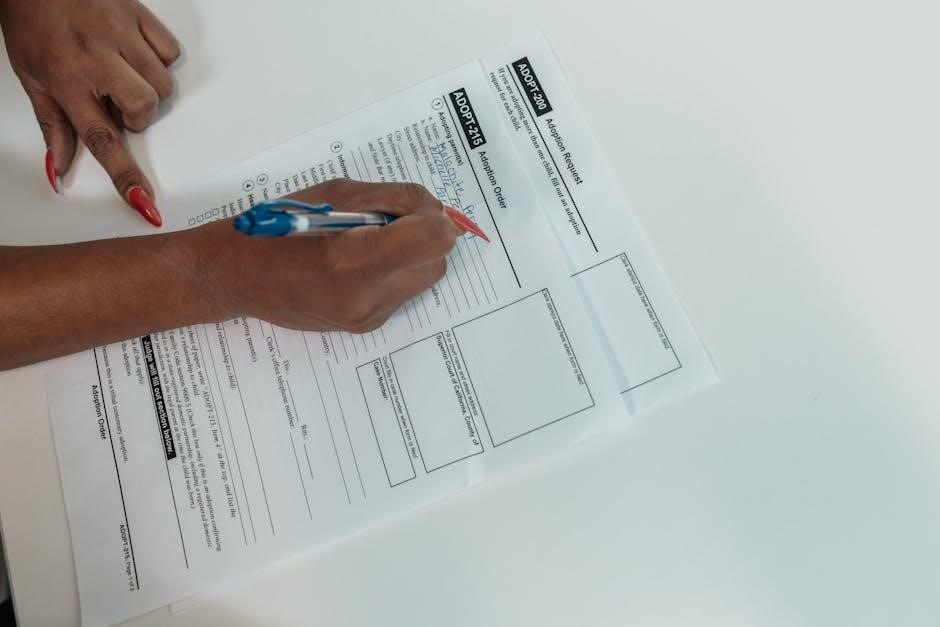
These agreements outline the terms of the divorce, covering property division, alimony, child custody, and support․ The Probate and Family Court website provides resources and information about approved mediators․ Parties may also utilize collaborative divorce, involving attorneys trained in collaborative law techniques․ Any settlement reached through ADR must still be submitted to the court for approval and incorporation into the final divorce decree, potentially requiring specific submission forms․
Resources for Completing and Understanding Forms
Successfully navigating Massachusetts divorce forms often requires assistance․ The Massachusetts Probate and Family Court Law Libraries offer invaluable resources, including guides, workshops, and access to legal information․ These libraries provide a supportive environment for self-represented litigants․ Several organizations offer free or low-cost legal clinics, providing guidance on completing forms and understanding procedures․
Additionally, the Massachusetts Bar Association’s Lawyer Referral Service can connect you with qualified attorneys specializing in family law․ Online resources, while helpful, should be carefully vetted for accuracy․ Remember that court staff cannot provide legal advice, but can clarify procedural questions․ Thoroughly reviewing instructions accompanying each form is crucial, and seeking professional help when needed can prevent costly errors and ensure a smoother divorce process․
Where to Find PDF Versions of Forms
Accessing official Massachusetts Probate and Family Court divorce forms in PDF format is readily available online․ The Massachusetts Court System’s website (mass․gov) hosts a comprehensive collection of these forms, categorized for easy navigation․ Direct links to specific forms, such as the Financial Statement (Short and Long Form) and the Certificate of Absolute Divorce, are provided for convenient download․
Several legal resource websites also compile these forms, ensuring accessibility for those without direct access to court facilities․ However, always verify that the downloaded forms are the most current versions, as they are subject to change․ Downloading directly from the official court website guarantees accuracy and compliance․ Ensure your PDF reader is up-to-date for proper viewing and printing of these essential documents, streamlining your divorce process․